
Hi all,
I’ll provide a quick run down of my top 10 favorite books with short descriptions, along with the rest of the list of favorite books. Let’s get started !!!!
Note : I haven't worked through all these books! Don't think I finished reading them all.
The Top 4 Books!
The Elements of Style – William Strunk Jr. And E.B. White
My high school English teacher ( Ms. Bello ) introduced me to this book either my sophomore year or junior year of high school and I still consult it to this day. Ms. Judith Bello – renowned for her teaching prowess, her absolute empathy to students, her joyful and young attitude to life even in her old age, and her dedication to editing and spending time offering feedback on student’s essays – strongly influenced the course of direction of my life and still exists in my memory as a positive influence. She frequently referenced Strunk and White’s book to emphasize solid writing practices for students – biasing from the passive voice ( I was told by him ) to the active voice ( he told me ), replacing weak verbs ( led ) with strong verbs ( spear-headed ), and minimizing the usage of the over-hackneyed verb to be .

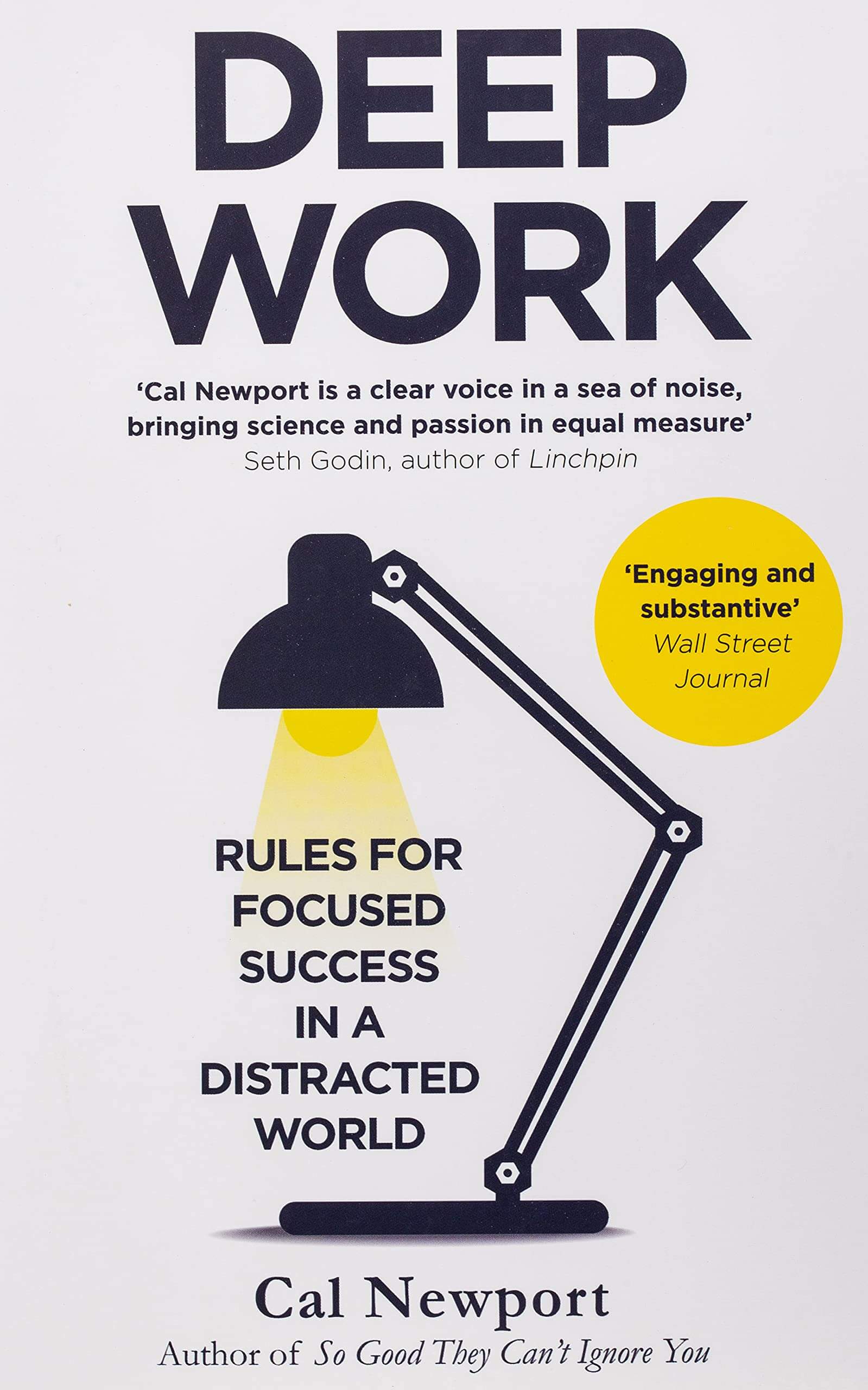
Deep Work: Rules for Focused Success in a Distracted World – Cal Newport
Written by esteemed computer science professor Cal Newport, Deep Work goes over a review of effective strategies towards digitally detoxing and reclaiming one’s sense of focus. I vividly recall reading his book my junior year of college on an three-and-a-half hour Amtrak train journey from Seattle, Washington to Portland, Oregon. His book influenced my thinking in needing to remove digital distractions – reducing clutter, checking e-mails and social media less often, and carving out half-hour to three hour blocks of time to engage in the toughest of tasks. Putting his strategies into tasks – reading complex research papers, solving complex theoretical problems, or gathering information – empowered me through the toughest of collegiate assignments. His blog ( https://calnewport.com/blog/ ) – Study Hacks – helped me learn how to conduct effective research, gather spreadsheet-organized evidence, and present well-sourced information in a thoughtful, organized manner.
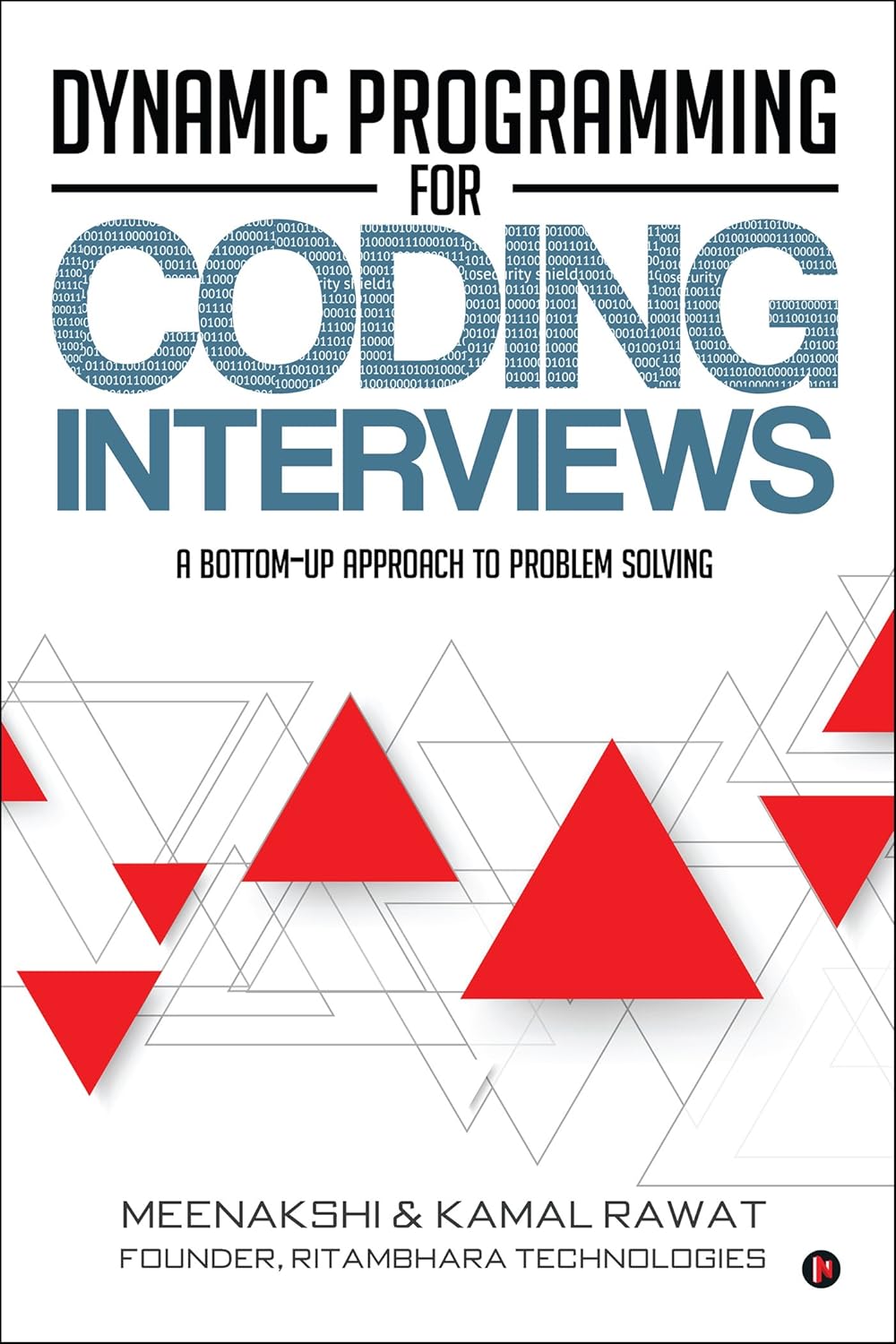
Dynamic Programming for Coding Interviews : A Bottom-Up Approach to Problem Solving – Meenakshi & Kamal Rawat
Written by two technically amazing authors – Meenakshi and Kamal Rawat – dynamic programming for coding interviews holds up to its titular name as a fantastic introduction to tackling one of the hardest categorization of algorithmic problems. The authors do a superb job teaching readers about function call stacks and implicit space allocation in the first chapter, coupled with a review of a templated, structured approach to DP problems – first starting with a naive recursive solution, followed by a top-down memo-ized solution, and concluding with a bottom-up solution. Meenakshi and Kamal do a fantastic job cutting right to the chase ; they hone in on a specific subset of dynamic problems of focus – best alternating subsequence of min number of characters to make two strings equal – and offer clear visuals undergirding an well-organized thought process. I immediately recommend this book to every person I’ve met who shares with me that they struggle to tackle dynamic programming: 10/10 stars
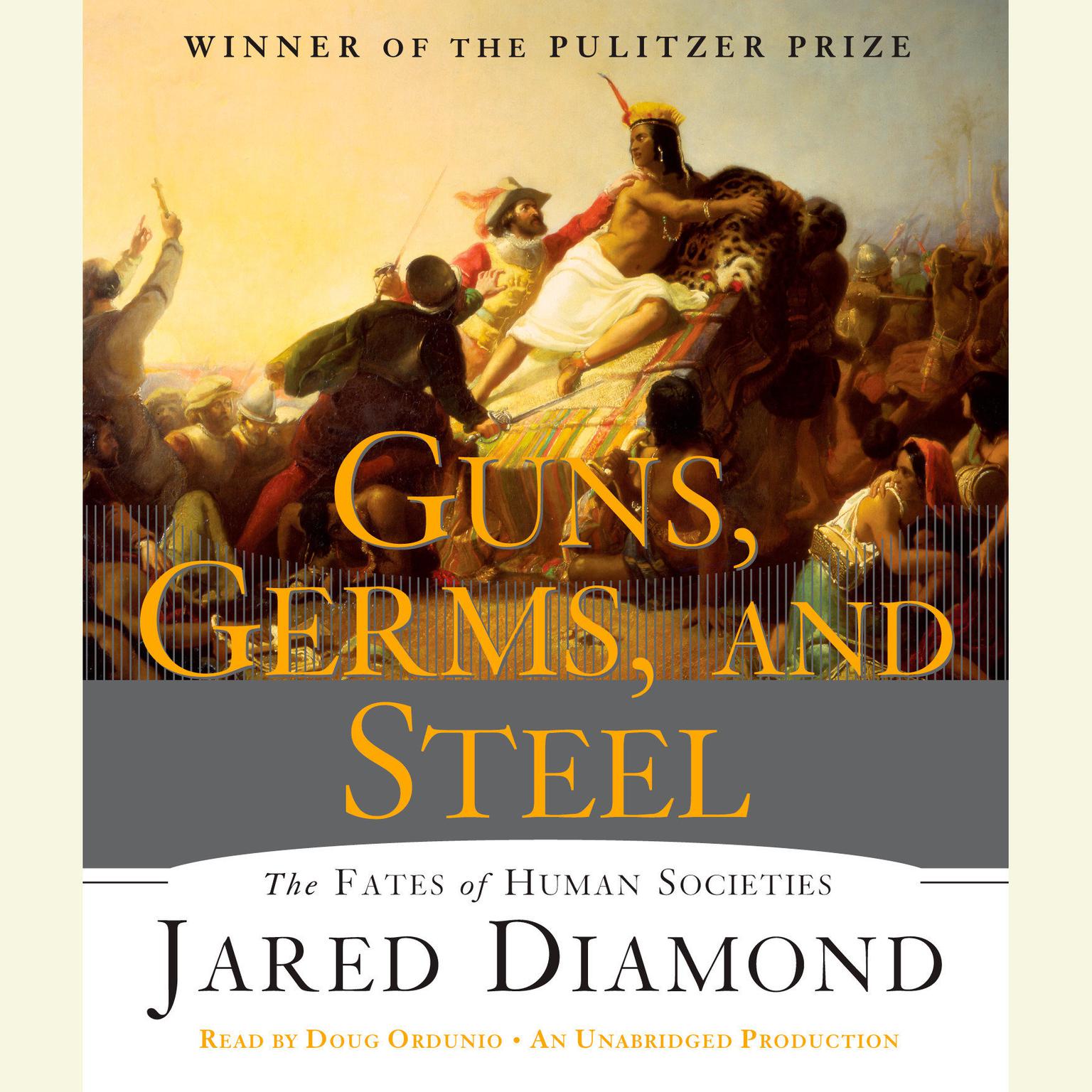
Guns, Germs, and Steel: The Fates of Human Societies – Jared Diamond
Written by Pulitzer prize winner Jared Diamond, Guns, Germs, and Steel dives deep into the causations of the modern world, and why it came about it’s shape. With his strong emphasis on a surprising combination of factors – geographic advantages, timing, incentives to technological innovation in warfare-plagued Western regions, and the spread of ideas across Eurasia – Diamond provides well-supported insights into how Western Europe became the world’s dominating power, starting in the 1500s. Withstanding significant critiques for his Eurocentric approach and bias towards geographical determinism, Diamond at least does the job of attempting to ask one of the most puzzling questions about world history. He also does a fantastic job hooking his readers in with the first chapters set place in the remote country of Papa New Guinea; here, a local tribesman asks the author the fundamental question under discussion – why did Western Europe “rule the world” and “develop” the most recent “technological innovations”? why didn’t another society do so?
My Other Favorite Tech Books!
- The Lean Startup: How Today’s Entrepreneurs Use Continuous Innovation to Create Radically Successful Businesses
- Cracking the PM Interview
- Cracking the Tech Career
- Programming Interviews Exposed
- Intro to Algorithms, 3rd Edition
All the Other Books!
- What Color is Your Parachute [ 2018 ] – Richard N. Bolles
- The Life-Changing Magic of Tidying Up: The Japanese Art of Decluttering and Organizing – Marie Kondo
- On Civil Disobedience by Henry David Thoreau
- The Kite Runner by Khaled Hosseini
- Verbal Judo: The Gentle Art of Persuasion, Updated Edition Updated ed. Edition
- The Defining Decade: Why Your Twenties Matter–And How to Make the Most of Them Now
- Drive: The Surprising Truth About What Motivates Us
- Getting Things Done: The Art of Stress-Free Productivity
 harisrid Tech News
Leave a comment